Deepfake, decoded
What is a deepfake? A video, photo or voice faked to look like a real person. How they are made, why phone calls are the dangerous ones, and three checks.

By Nick
On this page
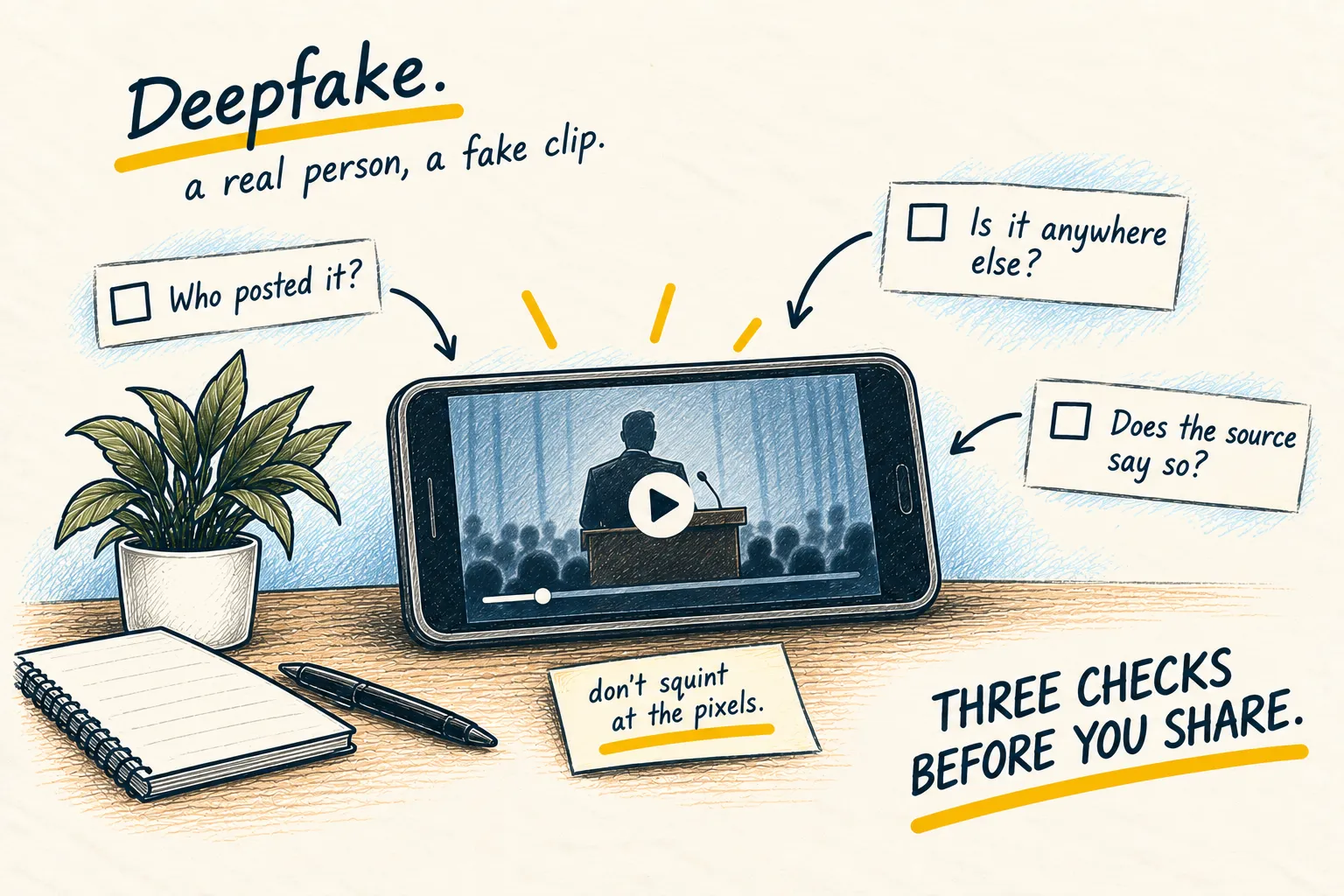
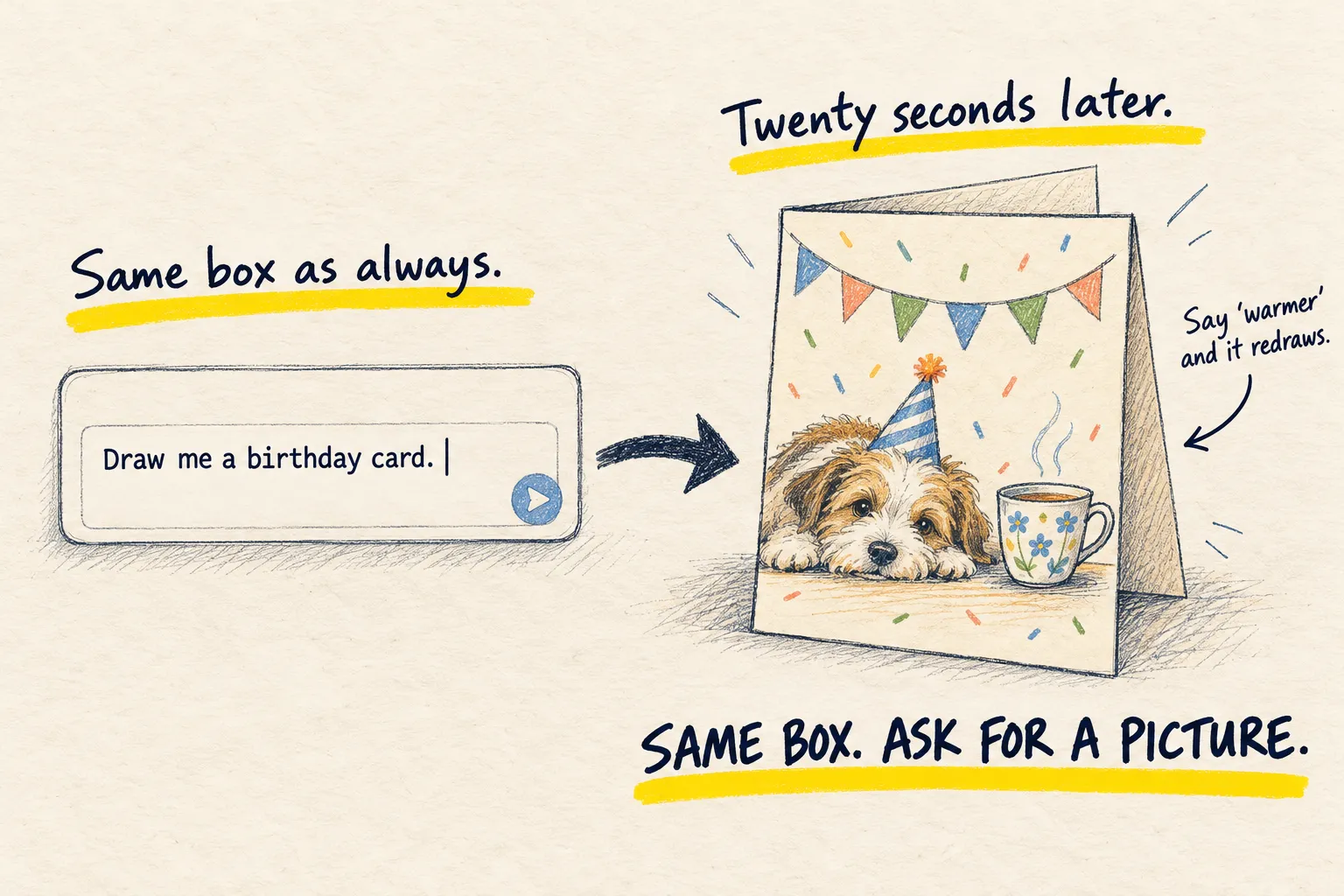
A deepfake is a video, a photo or a voice recording made to look like a real person said or did something they did not. The same tools that will draw you a birthday card can, pointed the other way, put words in a politician’s mouth or your mother’s voice on the phone.
How they are made
From examples. A few minutes of someone’s video, or a few seconds of their voice, is enough for a model (an AI system trained on examples) to learn the pattern and produce new footage or speech in that style. It is the same trick as every other generative tool: learn the pattern, produce more of it.
The dangerous one is the phone call
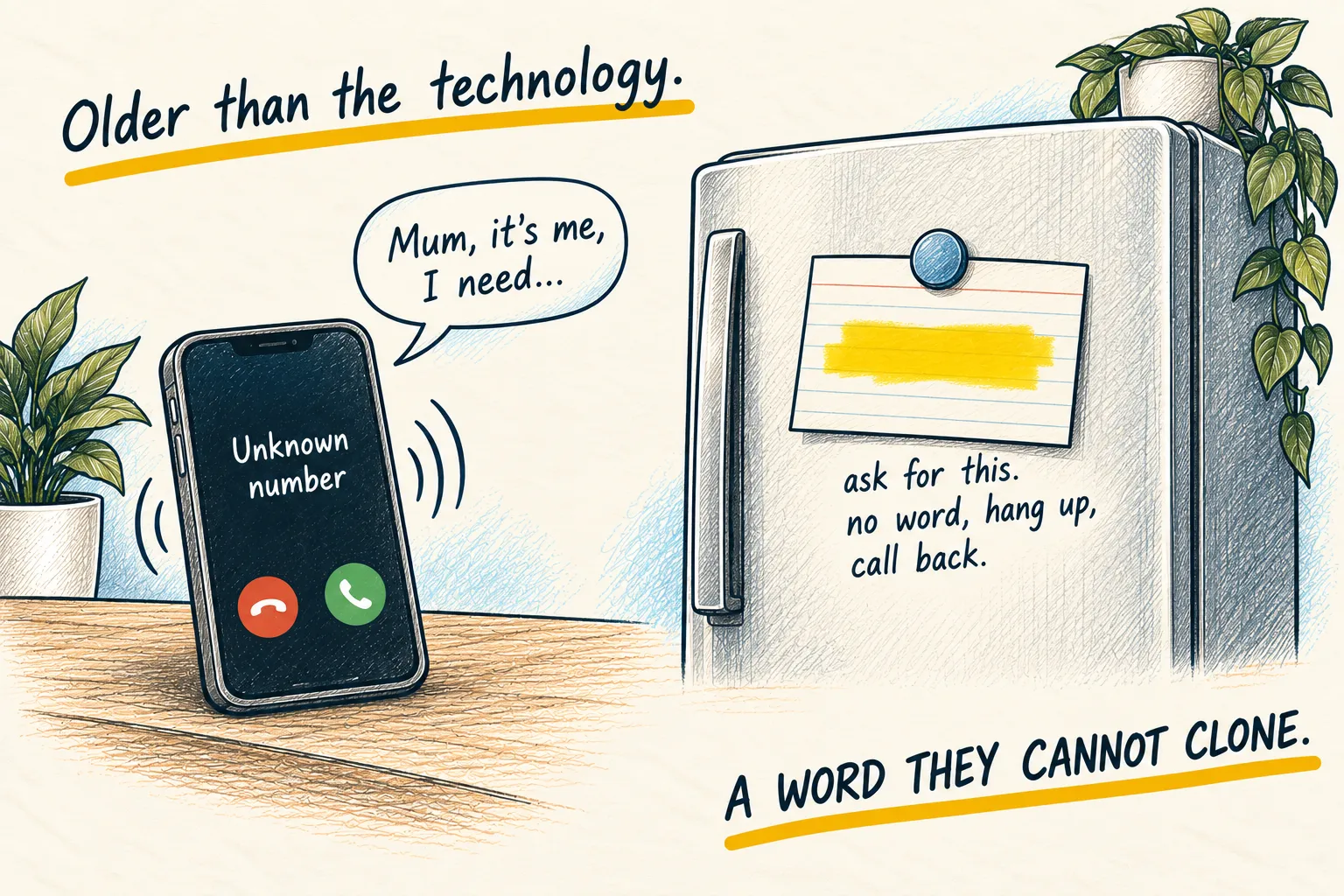
Fake videos of famous people are a news problem. The one that reaches ordinary people is a voice: “Mum, it’s me, I’m in trouble, I need money now.” A few seconds of a relative’s voice from a social video is enough. The fix is not detection; it is a family password agreed in advance.
Three checks before you believe or share
- Who posted it? A news organisation, or an account that appeared last week?
- Is it anywhere else? A real event is reported by several places. A fake is one clip.
- Does the supposed source say so? If a famous person “said” it, is it on their own channels?
None of those involve squinting at the pixels. Ask the AI to do the legwork.
Here is a video, image or claim I have been sent: [describe it or paste the link]. Do not
tell me whether it looks real. Tell me: who originally published it, whether reputable
outlets have reported the same thing, and whether the person it shows has confirmed or
denied it. If you cannot find any of that, say so plainly.A clip of a chef 'announcing' a free cookware giveaway, plus the prompt above
- Who published it? I could only trace it to an account created last week, with no earlier posts.
- Reported elsewhere? No reputable outlet has reported the giveaway.
- Confirmed or denied? The chef’s own channels say nothing about it.
I could not find this anywhere else.
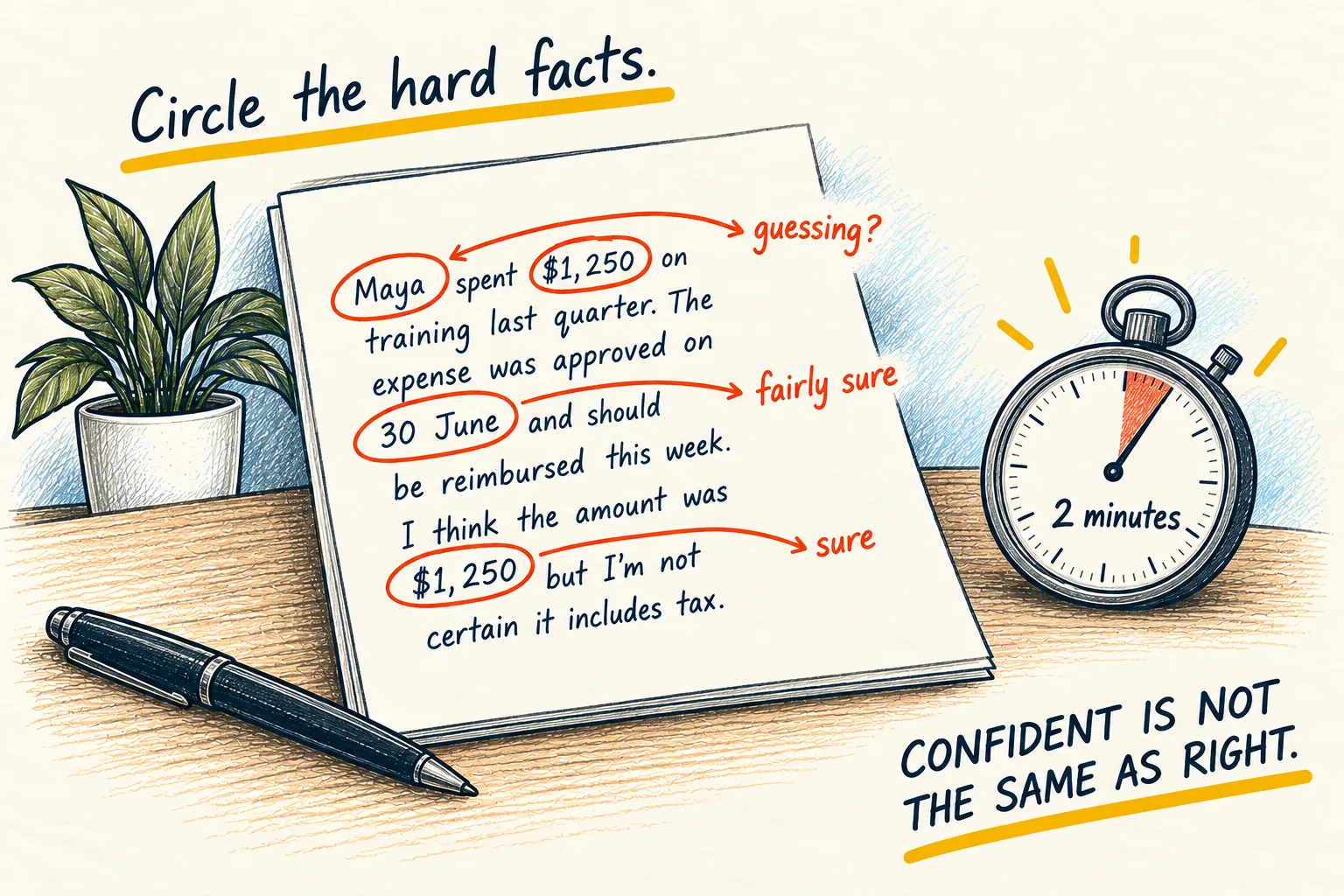
“I could not find this anywhere else” is a complete answer, and it means do not share it. The two-minute check still applies to any numbers.